3 hr
Traditional Knife Forging Workshop in Kyoto
Craft your own steel blade using centuries-old Japanese blacksmithing techniques in a hands-on 3-hour session.
Reserve
Forge steel under centuries-old tradition, carry home the blade you tempered.
Hand-picked by our editors — only the best 3 knife-forging experiences from 12 reviewed.
Verified partners for Japanese Knife Making Class Kyoto tours, free cancellation where available, and instant confirmation on every booking.
3 hr
Craft your own steel blade using centuries-old Japanese blacksmithing techniques in a hands-on 3-hour session.
Reserve
1 hr
Create your own kitchen knife from scratch in a traditional Kyoto workshop with expert guidance
Reserve
1 hr
Forge your own Japanese kitchen blade under expert instruction—sharpen, assemble, and personalize it with your initials.
ReservePrices from verified partners. Availability updates in real time at checkout. Free cancellation policies apply where shown.
The landmarks, rooms, and views travelers on Japanese Knife Making Class Kyoto tours remember — all visible on a single visit.
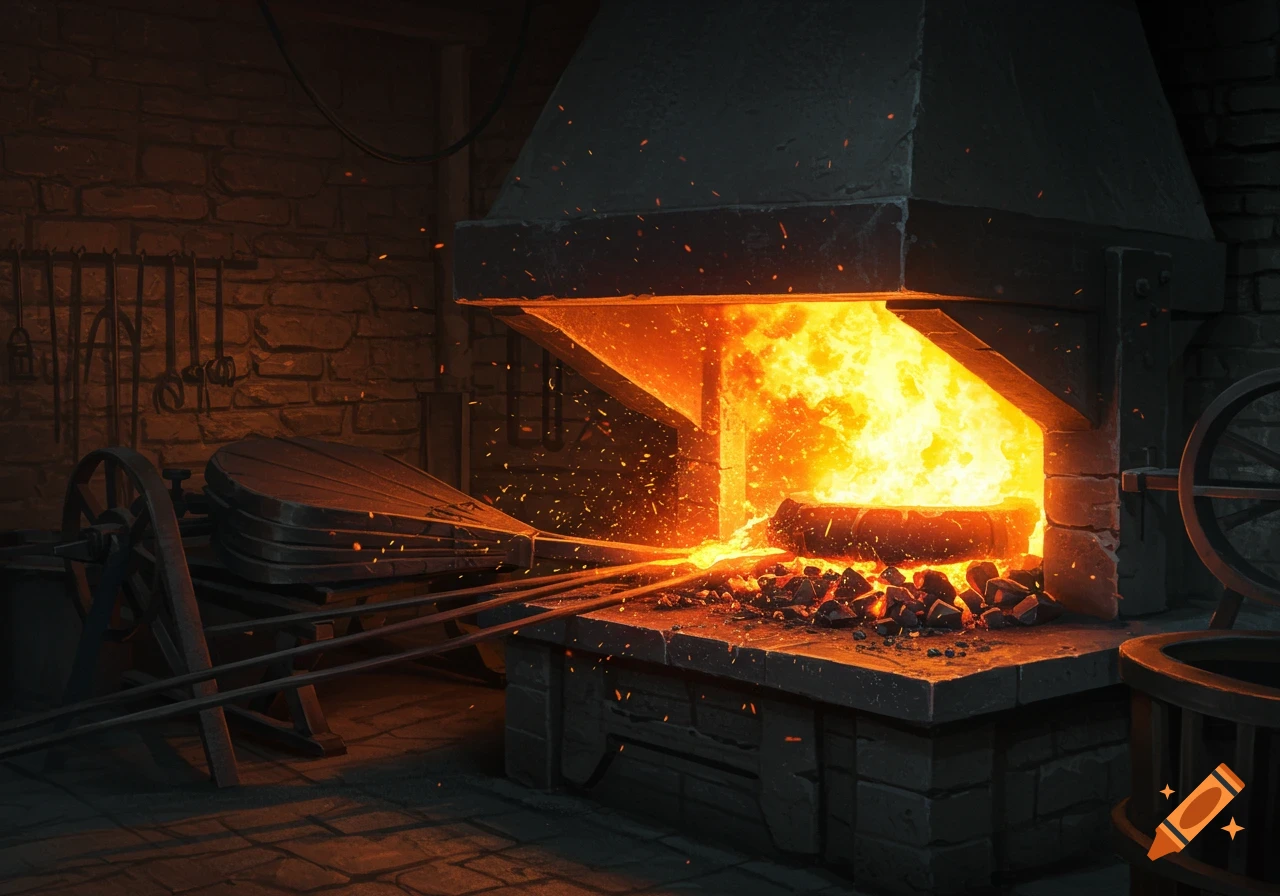
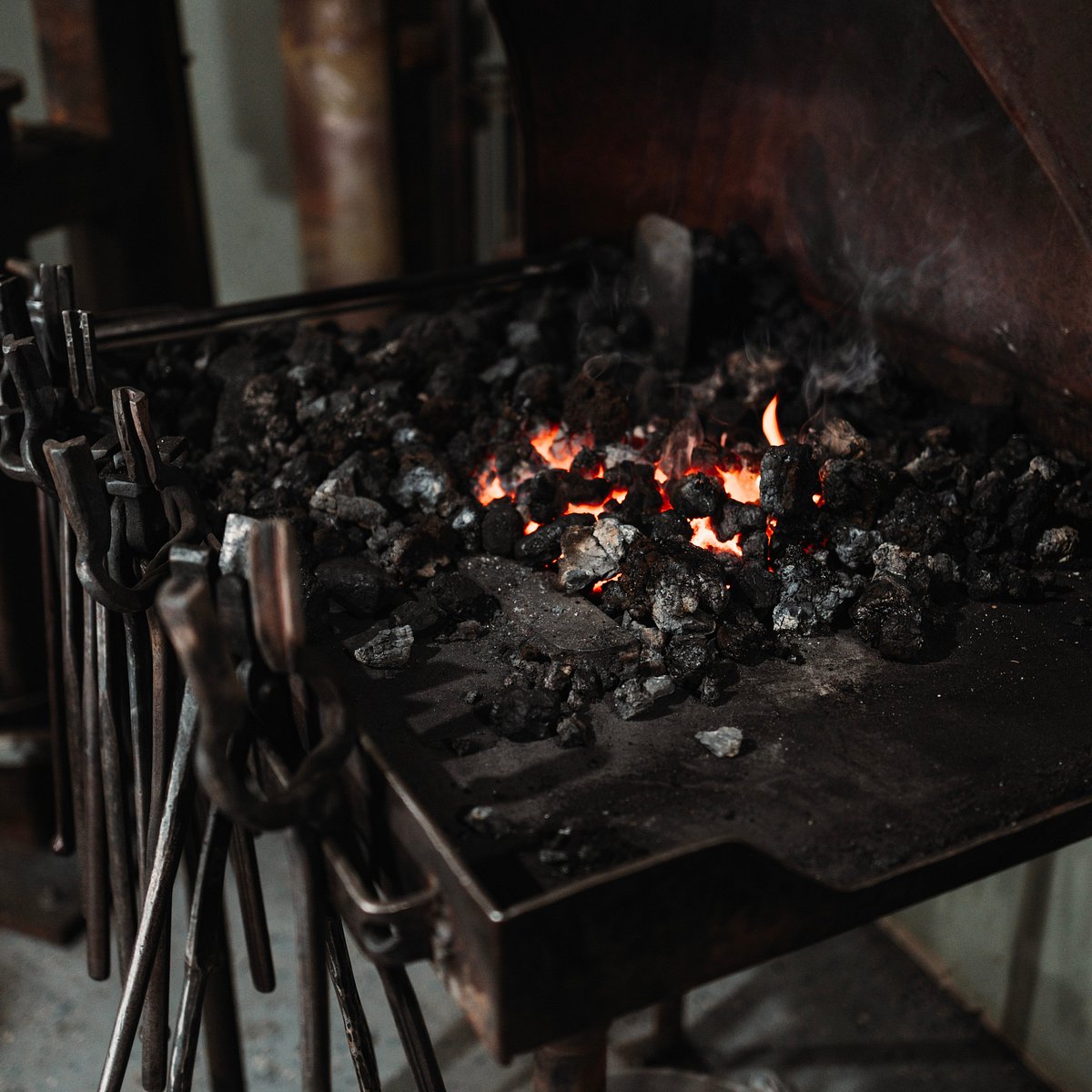
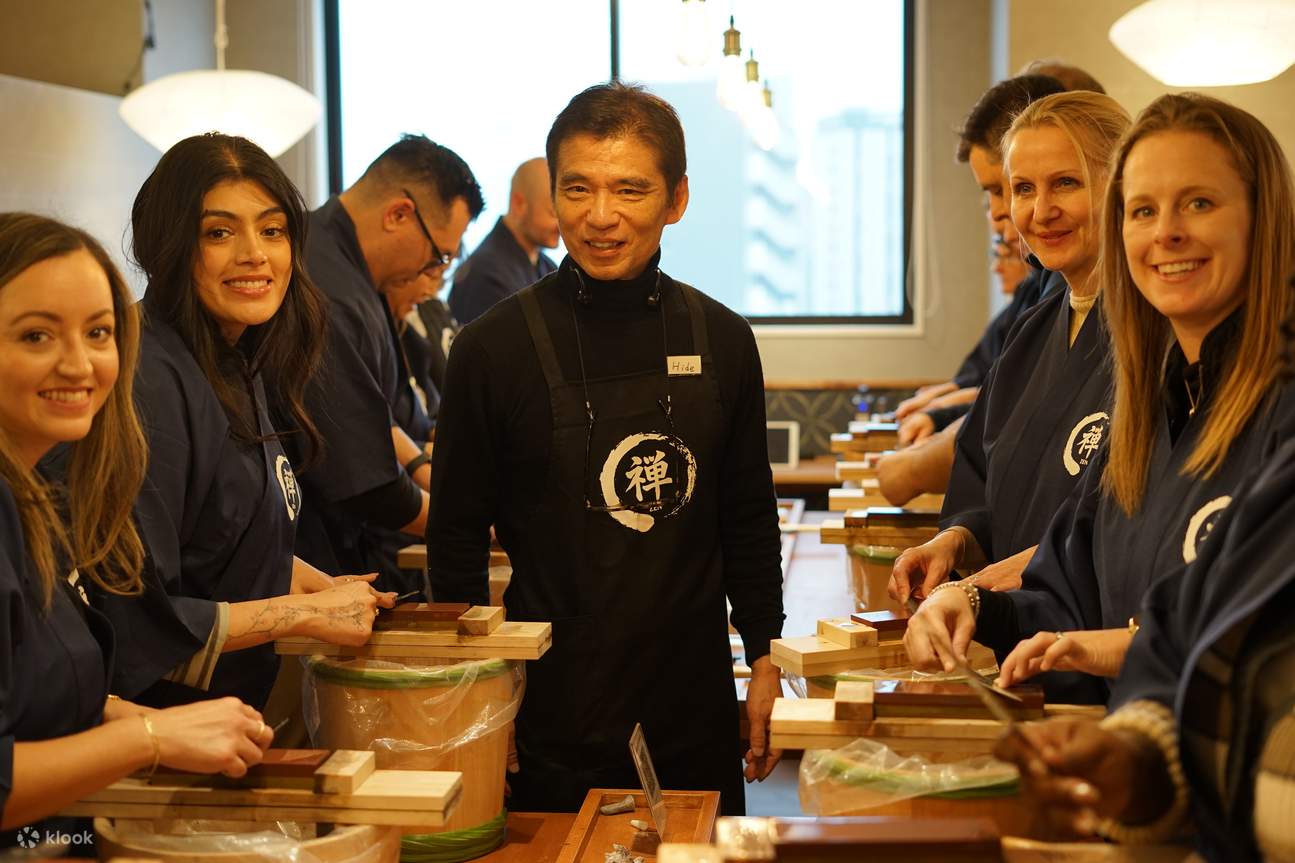
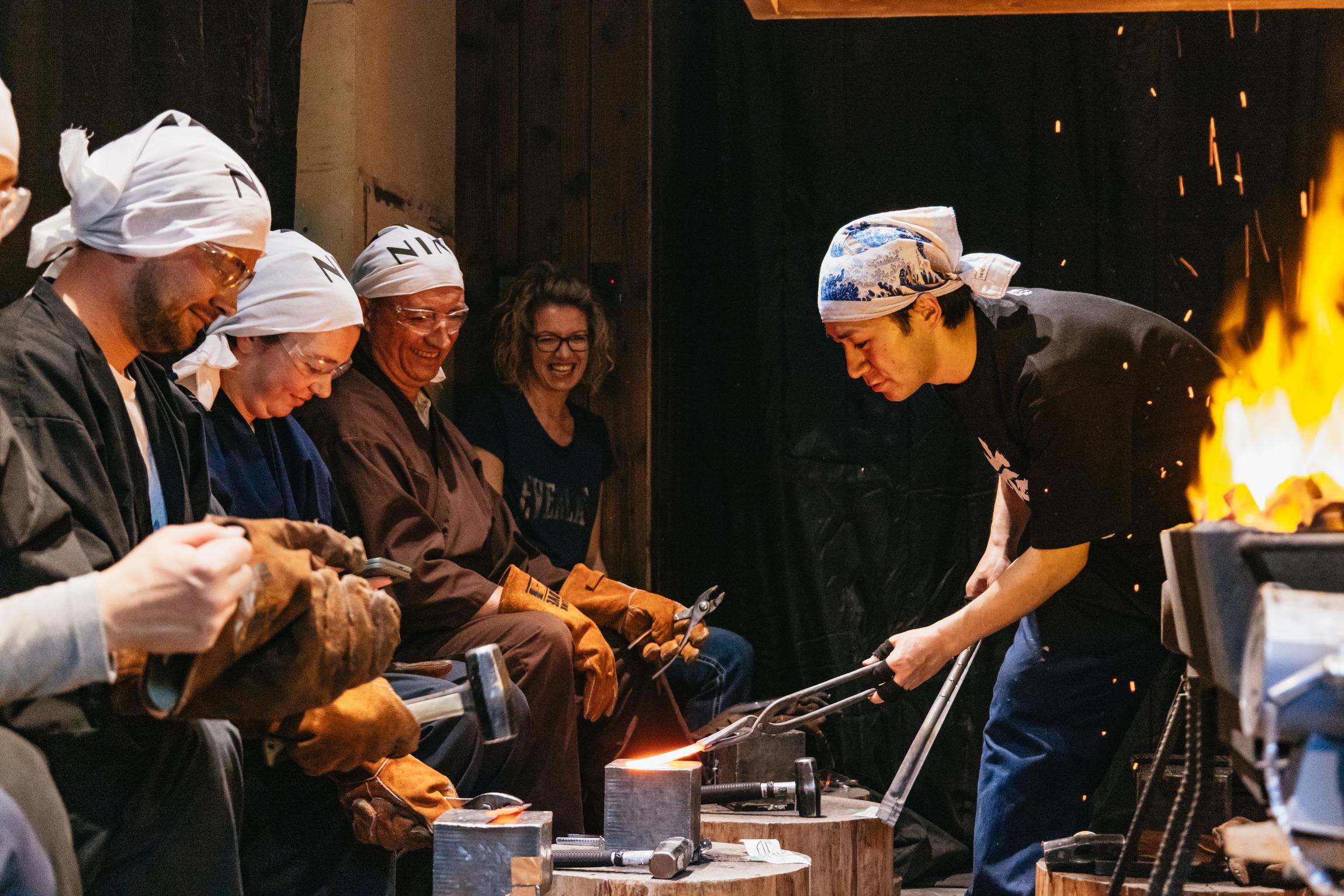
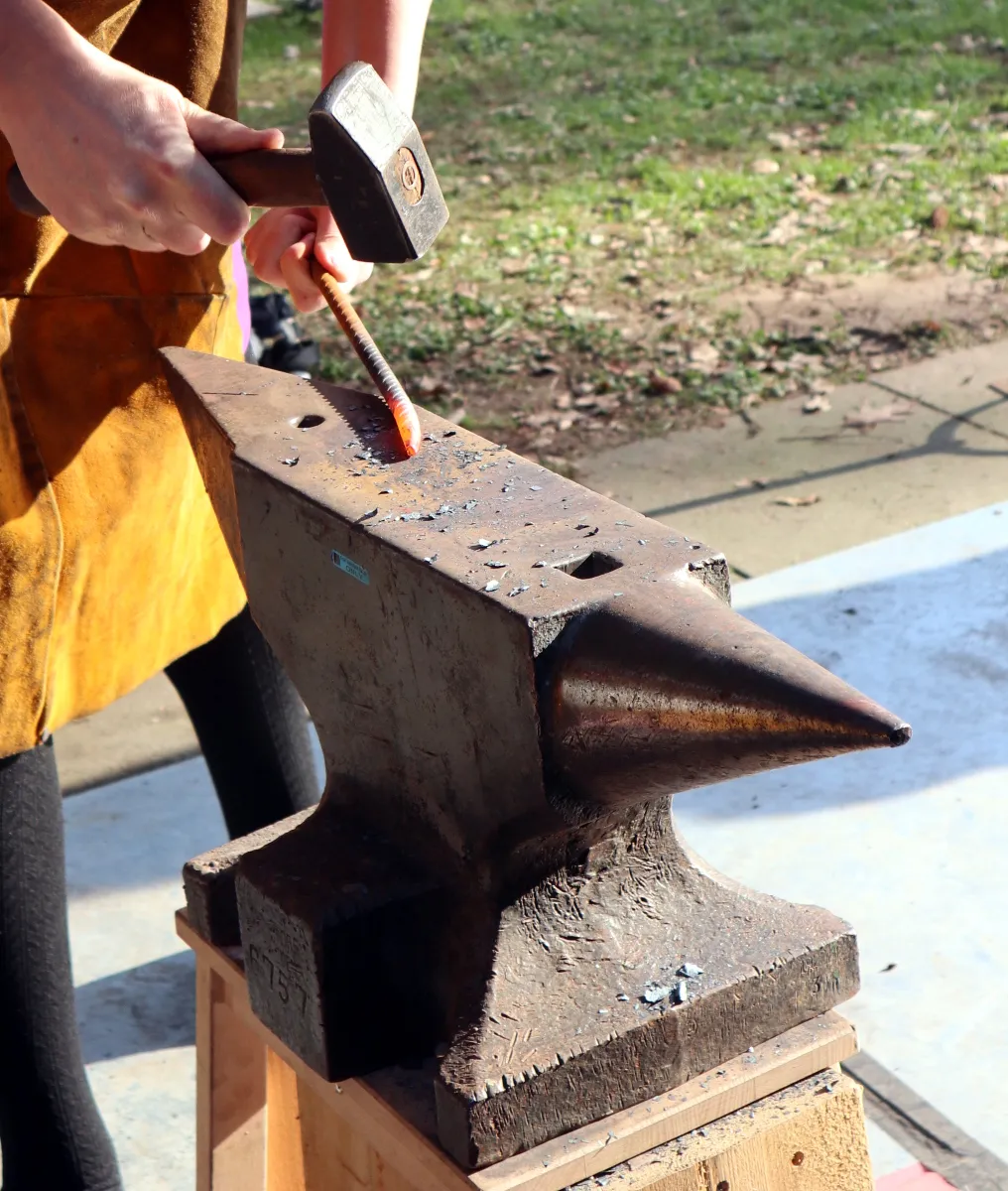
Feel the history of Kyoto craftsmanship as you shape steel on the traditional anvil.
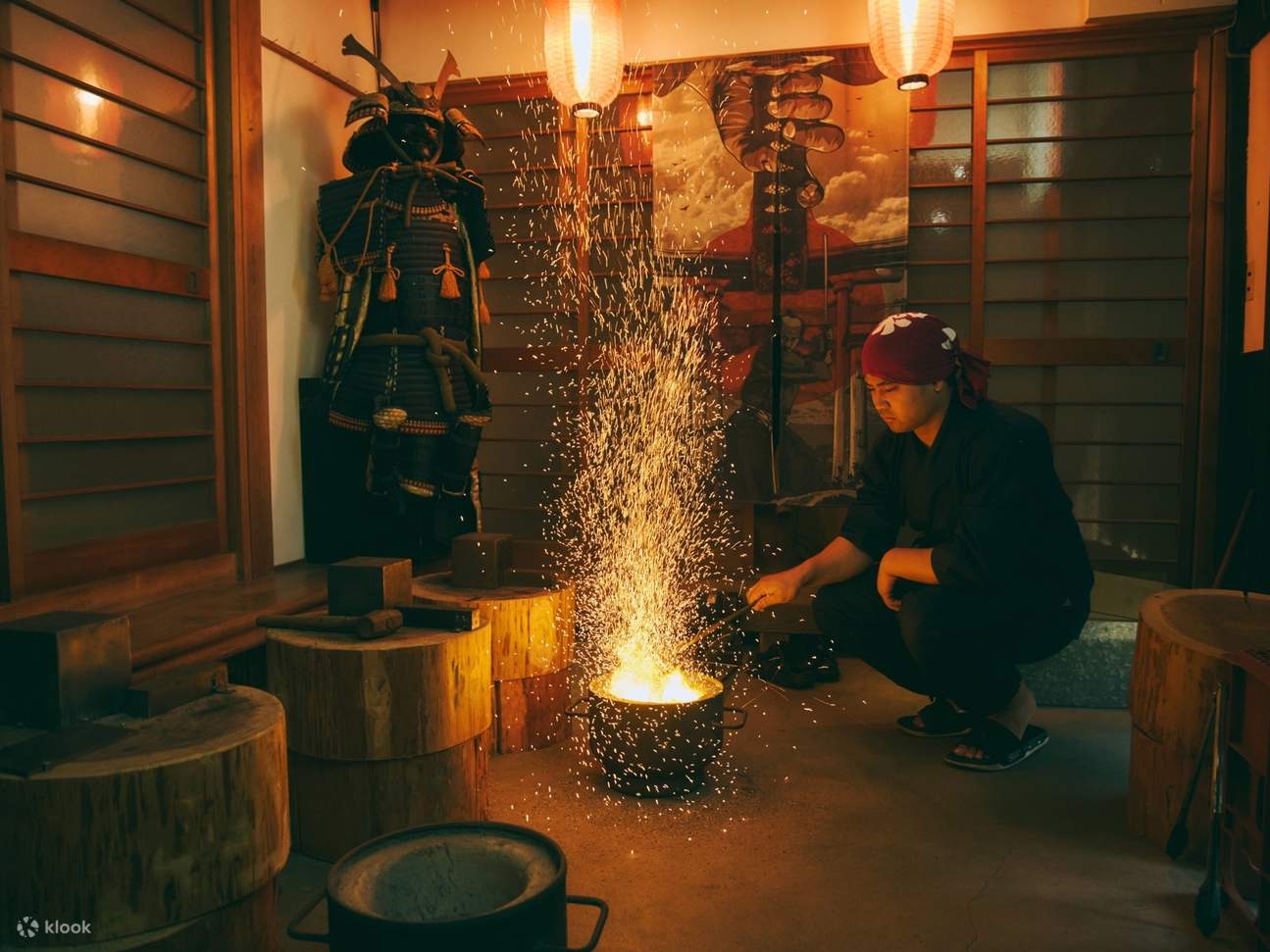
Experience the intense heat required to soften steel for custom blade creation.
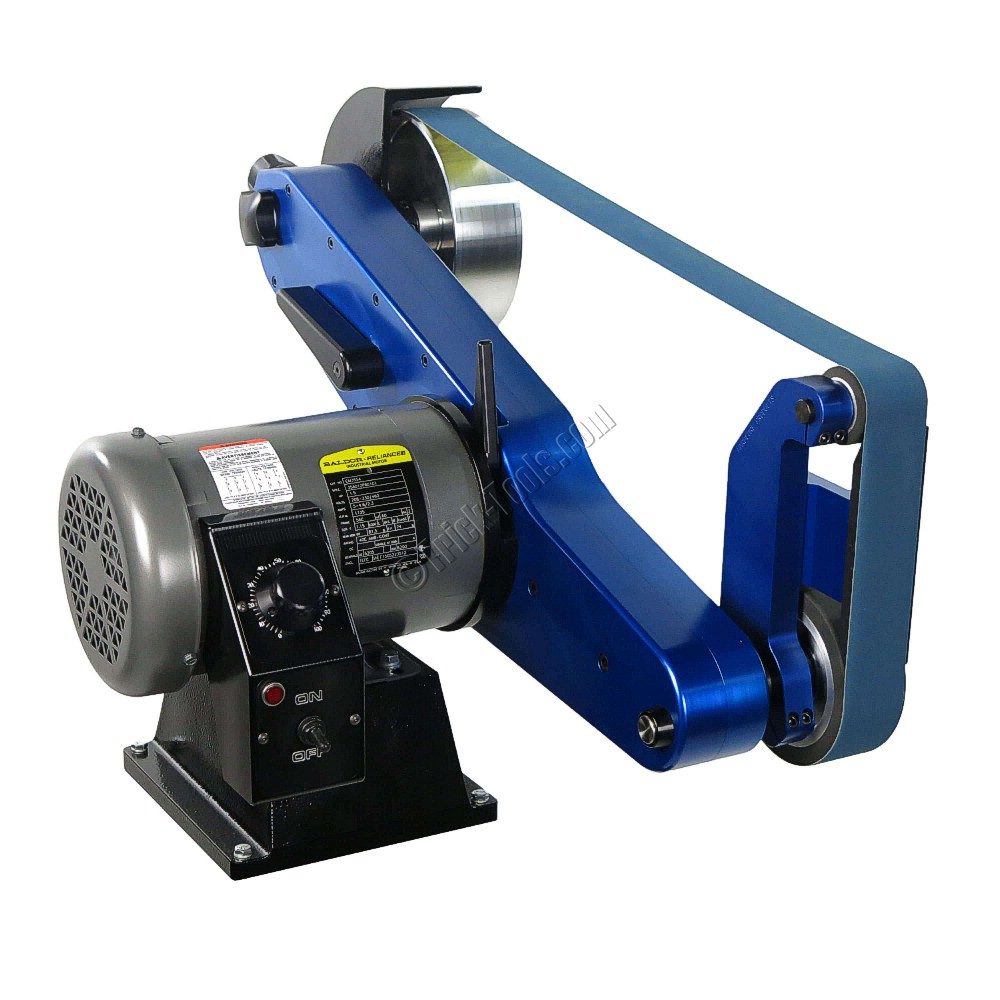
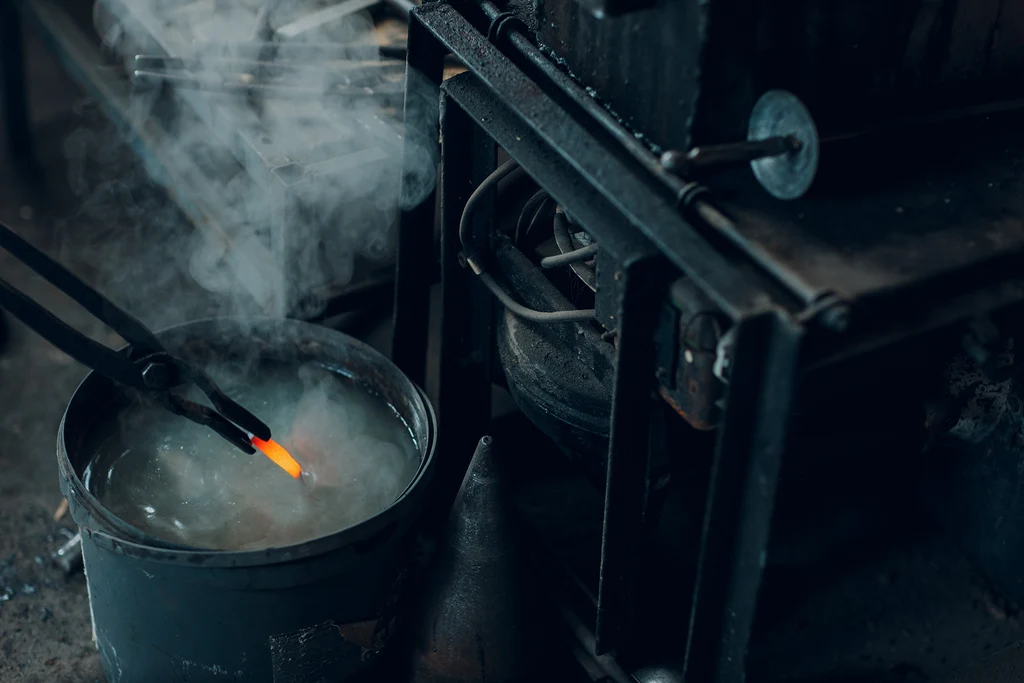
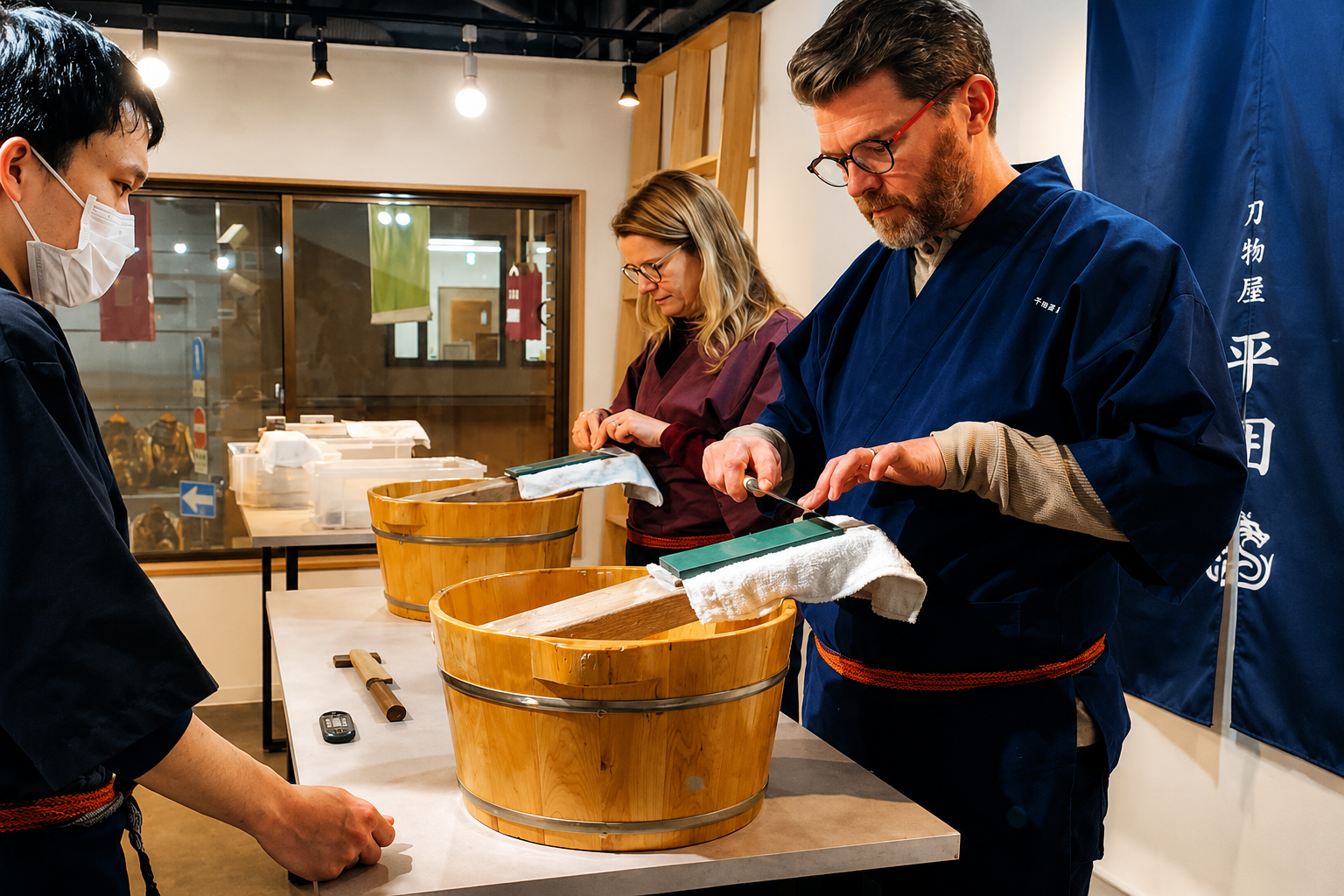
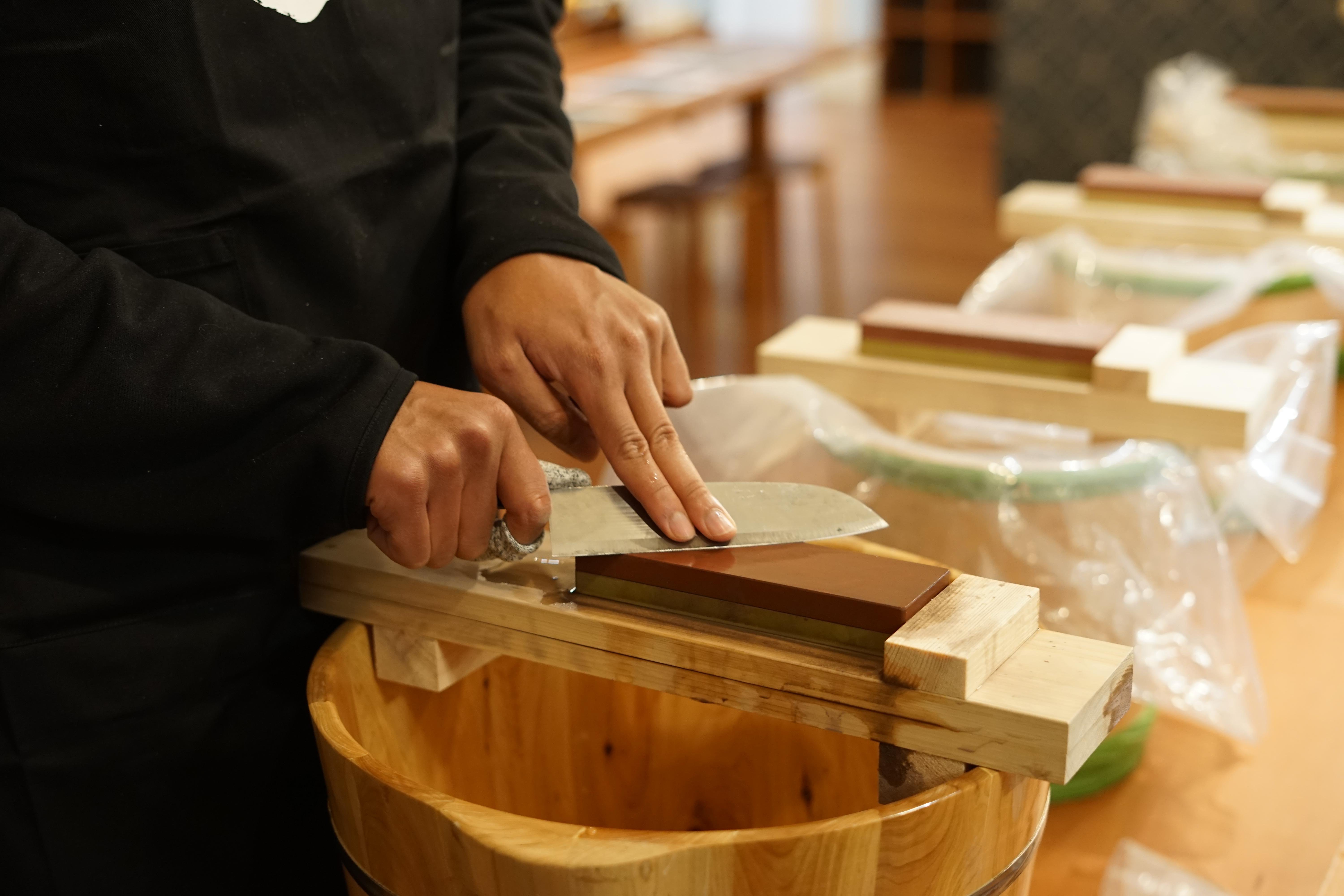
Refine your blade edge using professional-grade tools under master supervision.
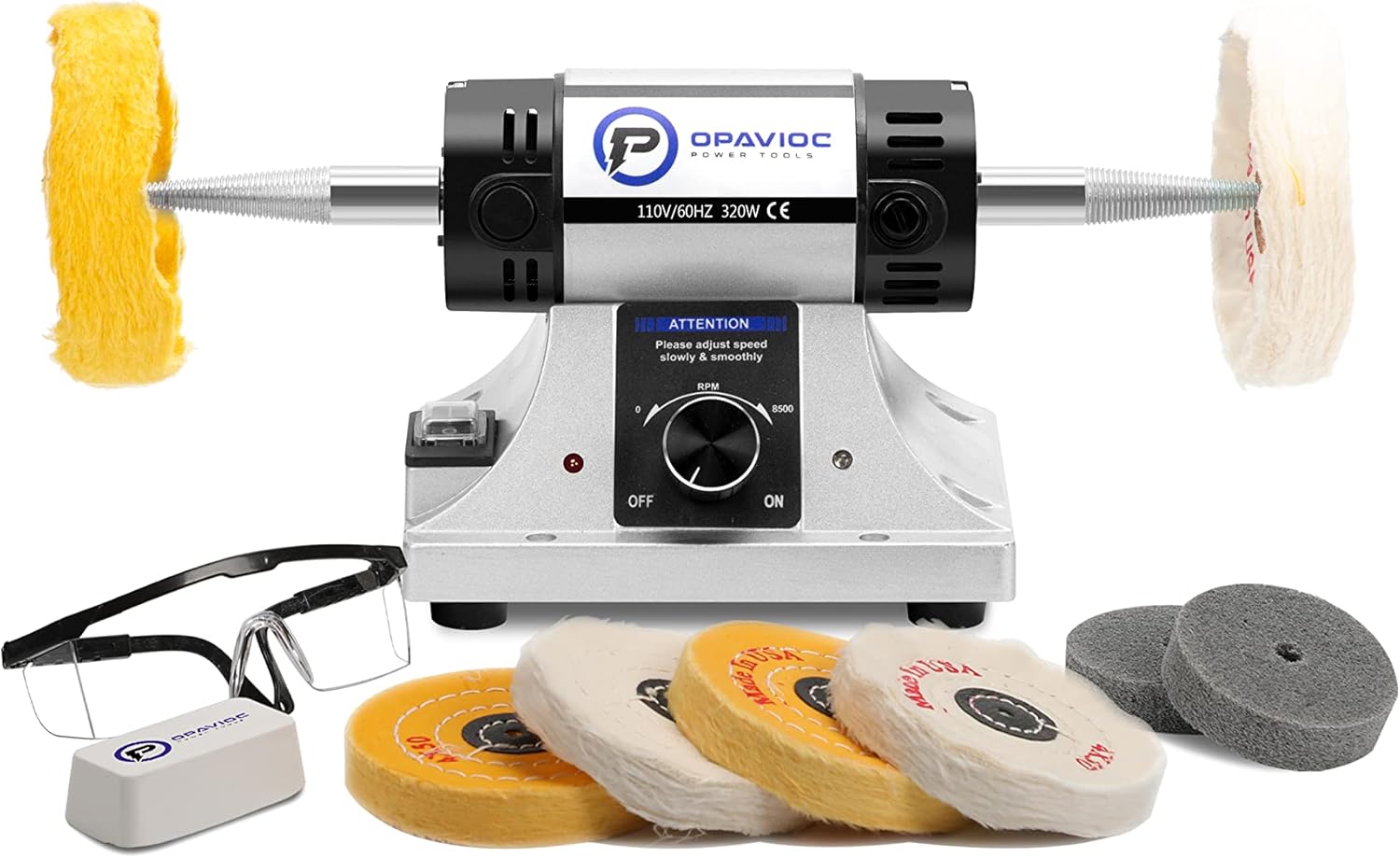
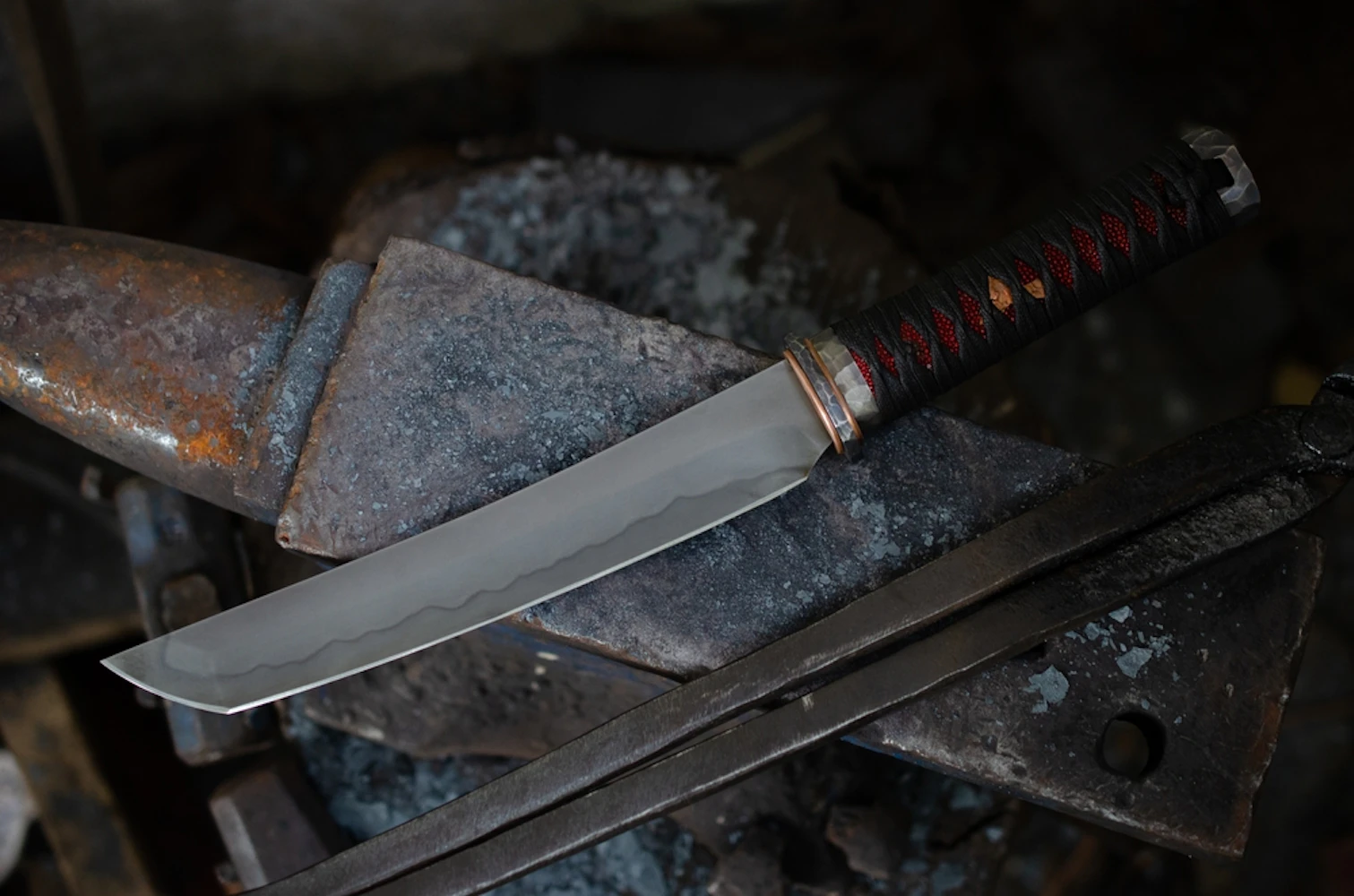
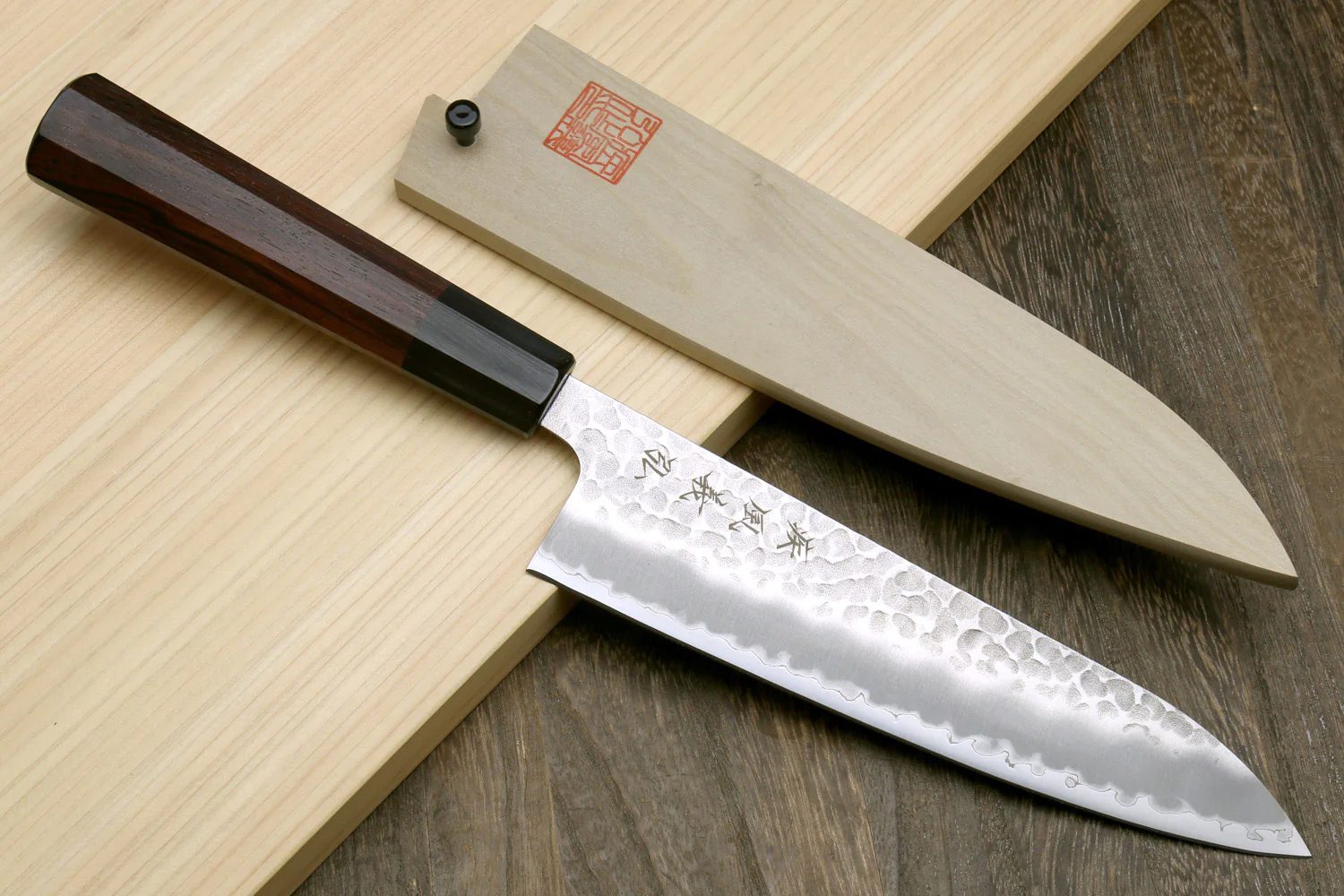
Apply the final finish to your blade to achieve a razor-sharp luster.
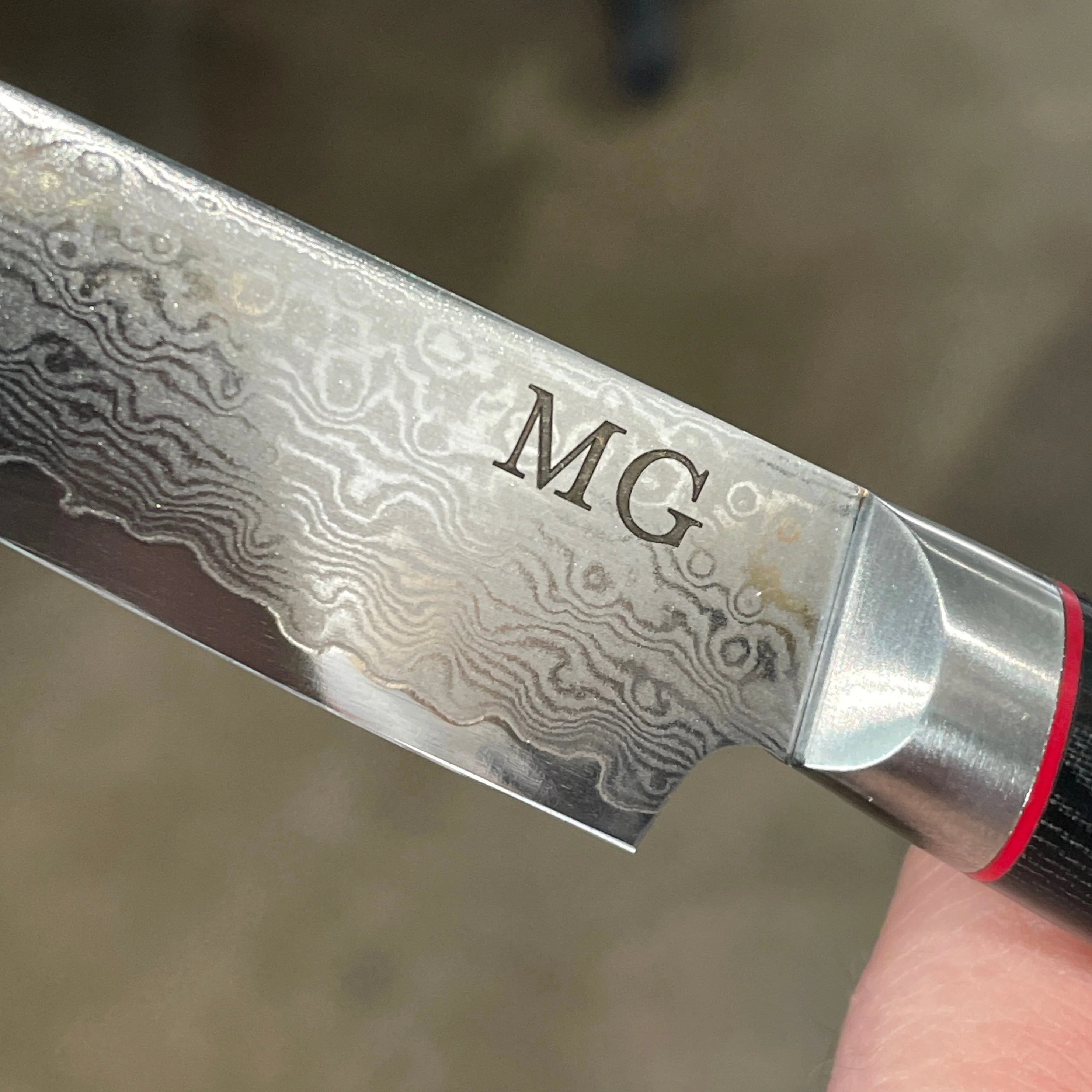
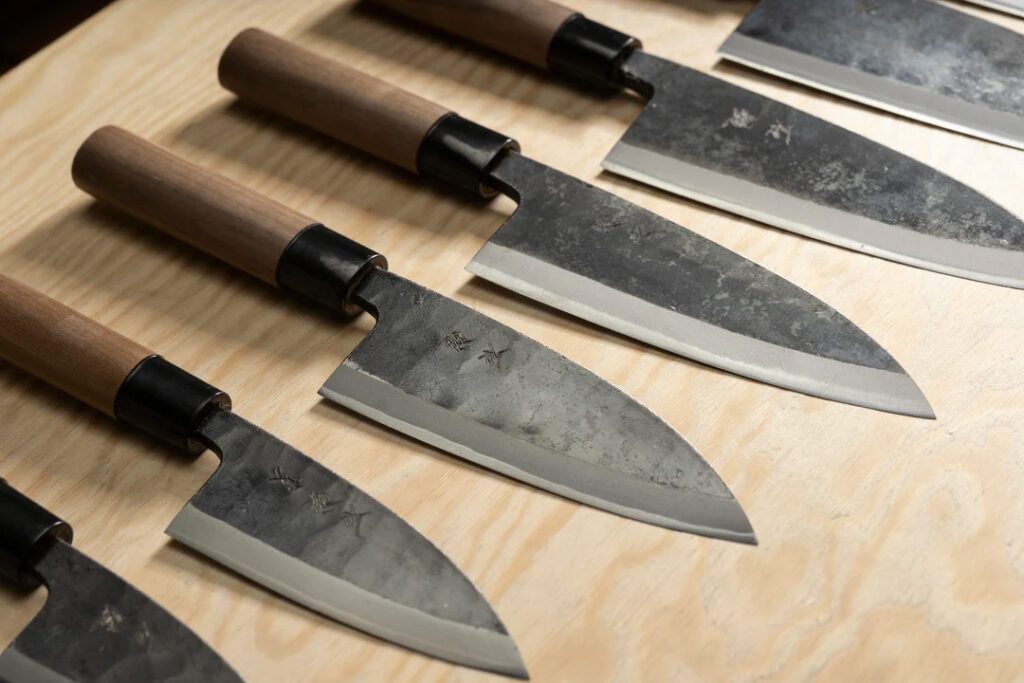
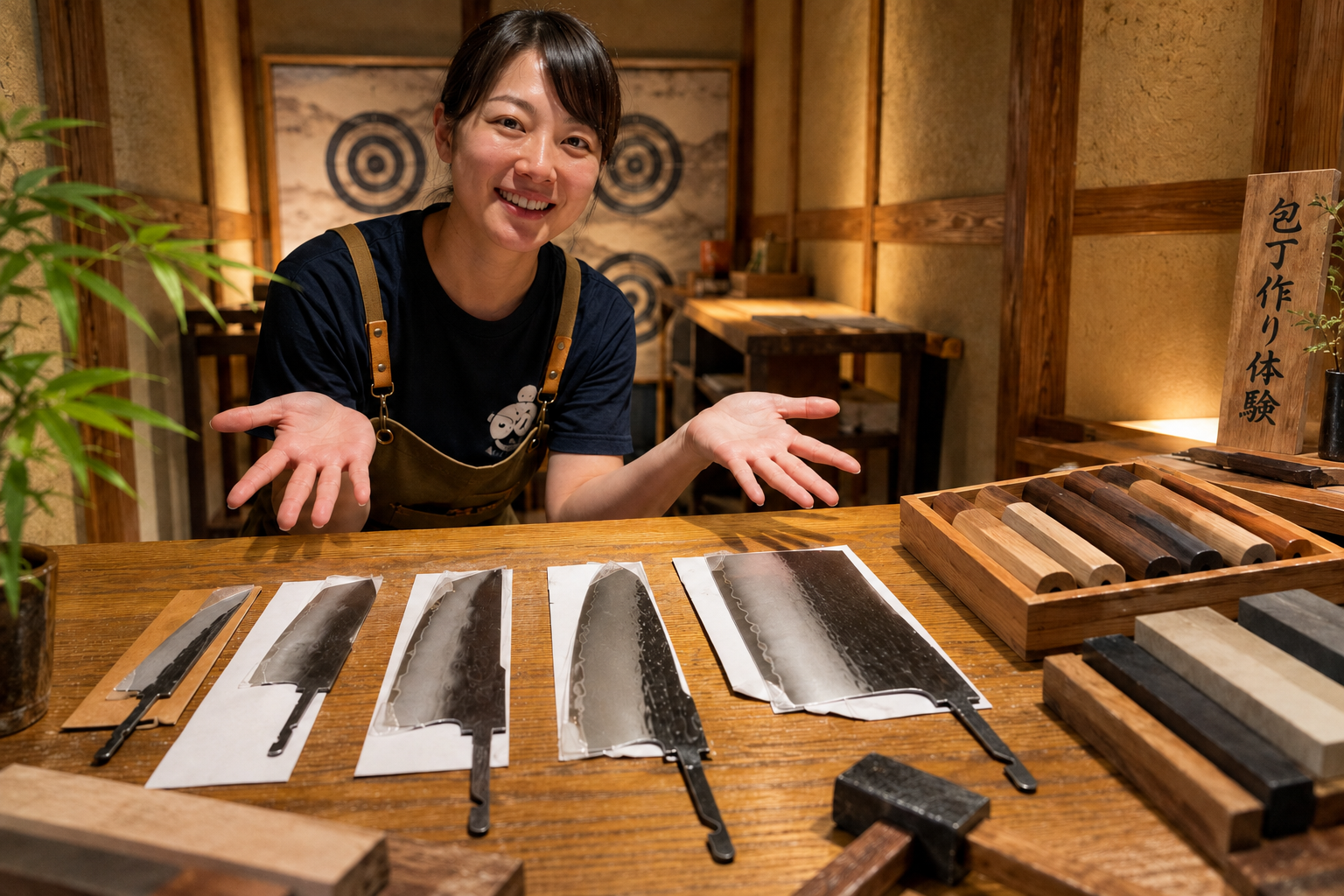
Personalize your handmade tool with custom initials in the final stage.
Every Japanese Knife Making Class Kyoto tour side-by-side — duration, what's included, how you redeem.
| Experience | Duration | Rating | Small group | Free cancel. | Price | |
|---|---|---|---|---|---|---|
|
Standard Entry Most popular
Traditional Knife Forging Workshop in Kyoto
|
3 hr | ★ 4.9 | — | ✓ | €133 | Book → |
|
Standard Entry
Japanese Knife Crafting Workshop in Gion
|
1 hr | ★ 4.9 | — | ✓ | $61 | Book → |
|
Standard Entry
Hands-On Knife Crafting Workshop in Arashiyama
|
1 hr | ★ 5.0 | ✓ | ✓ | €17 | Book → |
All prices from verified partners. Availability and exact terms confirmed at checkout.
Choosing between blacksmithing and ceramic arts depends on your preference for high-energy fabrication versus meditative restoration; those who prioritize a functional blade will find a Japanese knife making class kyoto superior, while those seeking zen prefer pottery. Engaging with these japanese knife making class kyoto tours provides a starkly different tactile experience compared to the delicate precision required for gold-lacquer repair or clay molding.
| Feature | Top pick Knife Workshop | Kintsugi/Pottery |
|---|---|---|
Primary Skill Focus |
Blacksmithing and metalwork | |
Physical Intensity |
High effort and hammering | |
Creation Outcome |
Functional chef knife | |
Skill Level Required |
Beginner to intermediate | |
Time Commitment |
3–5 hours | |
Focus |
Forging and blade geometry | Artistic restoration or shaping |
| See tickets → |
Verdict: Select the forged steel experience for a rugged, productive session, or choose pottery if you prefer a japanese knife making class kyoto tour alternative that focuses on patience and aesthetic refinement.
Choose your ticket, select your date, and reserve in under two minutes. Secure checkout handled by our verified partner.
Instant confirmation by email, with a mobile voucher you can save offline. No printing, no queuing at a collection desk.
Arrive at the entrance, show your voucher on your phone, and walk in. Most tickets include priority or skip-the-line access.
Practical details for Japanese Knife Making Class Kyoto tickets straight from our verified partners — hours, access, rules, and how to get there.
Yase, Kyoto, Japan
Follow your booking confirmation for specific studio details.
Open in Google MapsWear sturdy, closed-toe shoes and natural fiber clothing that covers your arms and legs. Synthetic fabrics should be avoided due to the proximity to high-heat forges in this japanese knife making class kyoto.
Keep personal belongings to a minimum as the workshop floor is compact. Secure storage is not provided, so guests are encouraged to travel light to the japanese knife making class kyoto.
Photography is permitted with instructor approval, provided it does not interrupt the forging process. Capture your progress during the japanese knife making class kyoto to document your craftsmanship.
Due to the industrial nature of the forge and uneven terrain, the workshop is not fully wheelchair accessible. Please contact the Kyoto Knife Making Workshop in advance to discuss specific needs for your japanese knife making class kyoto.
Mobile phones are permitted. Keep ringer off inside exhibition spaces.
The workshop welcomes teens and adults, though strict safety protocols must be followed. Families often enjoy this japanese knife making class kyoto as a collaborative hands-on experience.
No food or drink is permitted inside the active forging zone. Nearby cafes in the Yase district provide refreshment before or after your japanese knife making class kyoto.
Pets are not allowed, with the exception of service animals with appropriate documentation.
Last entry is typically 1 hour before closing. Check the specific ticket for timing.
Yase, Kyoto, Japan
Follow your booking confirmation for specific studio details.
Get directionsBest time to go, insider tips, nearby landmarks, and the cancellation fine print — flip through to skim what matters to you.
How crowds, weather, and events shift across the year.
Mild weather and cherry blossoms create a scenic backdrop for your japanese knife making class kyoto visit.
Flexible, no hidden fees.
Full refunds are available for cancellations made within the specified advanced notice window. No entrance fee of 0 JPY applies to private workshop bookings.
Kyoto's blade-forging lineage predates the samurai era, with smiths in the Yase district supplying kitchen cutlery to imperial households as early as the Heian period.
The japanese knife making class kyoto tradition rests on differential hardening—a technique where the blade's spine remains soft while the edge hardens to sixty on the Rockwell scale. Modern workshops in Yase preserve these methods, using coal forges and hand-hammered steel rather than industrial presses.
The city's knife-making reputation grew alongside its temple economy. Monastery kitchens demanded precision blades for shojin ryori, the vegetarian discipline that required paper-thin cuts of root vegetables. By the Edo period, Kyoto blacksmiths had developed the usuba and deba geometries still standard in Japanese culinary schools. Today's workshops occupy the same timber-framed buildings where apprentices spent decades mastering the five-layer lamination process.
Each session centers on carbon steel forging, the material favored for its edge retention and the patina it develops through use. Participants shape heated blanks with cross-peen hammers, quench blades in oil baths, and temper the metal through controlled cooling cycles. The final edge is ground on water stones, progressing from coarse to fine grits until the blade splits a sheet of paper under its own weight. This japanese knife making class kyoto tour bridges eight centuries of metallurgical refinement into a single morning.
Yase's workshops remain family operations, with master smiths supervising no more than four students per session. The intimacy allows direct correction of hammer angles and heat color recognition—skills that separate functional cutlery from heirloom pieces. Participants leave with a knife bearing their maker's mark, a steel record of the hours spent at the anvil.
"The blade's edge is ground on water stones until it splits paper under its own weight."
A step-by-step walkthrough of Japanese Knife Making Class Kyoto tickets — what you'll see, how long each stage takes, and the details that matter.
You arrive at the Yase workshop by nine, stepping into a space where coal smoke mingles with machine oil. The master smith gestures toward a row of leather aprons and safety goggles—your uniform for the next four hours.
He places a steel blank in your hands, still cool, explaining the grain structure you'll refine through heat and percussion.
The forge glows orange as you position the blank with tongs, watching the metal shift from cherry to straw yellow. At the smith's nod, you withdraw it and begin hammering, each strike flattening the blade's profile. Your arm tires quickly; the rhythm matters more than force. After three heating cycles, the rough shape emerges—a petty knife, twelve centimeters long.
Quenching comes next. You plunge the blade into oil, feeling the heat transfer through the tongs as steam erupts. The smith inspects the curve, nods, and hands you a grinding stone. You work the edge at a fifteen-degree angle, water pooling on the stone's surface. Thirty minutes later, the blade shaves hair from your forearm. He etches your initials near the tang, wraps the knife in waxed paper, and reminds you that the steel will darken with use—a patina earned through years in the kitchen.
The workshop operates daily from 09:00–18:00.
There is 0 JPY public entry fee; workshops are pre-booked private experiences at Kyoto Knife Making Workshop.
We recommend arriving between 09:00–17:00 for the best daylight conditions.
No prior experience is required, as the Kyoto Knife Making Workshop provides step-by-step guidance.
Sessions typically range from 1 to 2 hours, depending on the chosen japanese knife making class kyoto.
Teens are welcome, provided they adhere to all safety instructions at the Kyoto Knife Making Workshop.
Wear closed-toe shoes and long pants to your japanese knife making class kyoto for safety.
Photography is allowed at Kyoto Knife Making Workshop with instructor permission.
The location is in Yase, Kyoto; detailed transit info is provided with your japanese knife making class kyoto tickets.
Check your booking terms for the specific refund window related to your japanese knife making class kyoto.